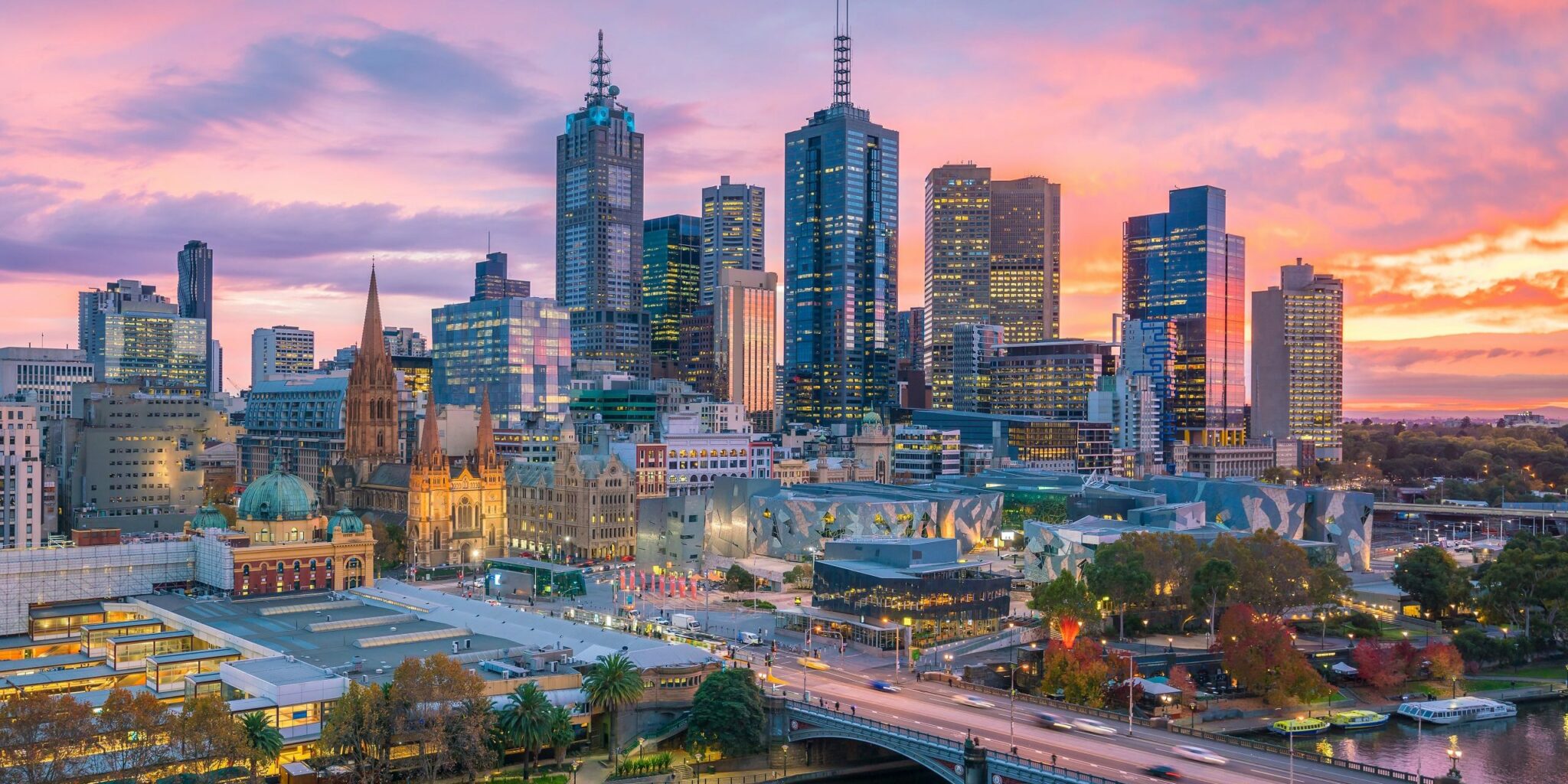
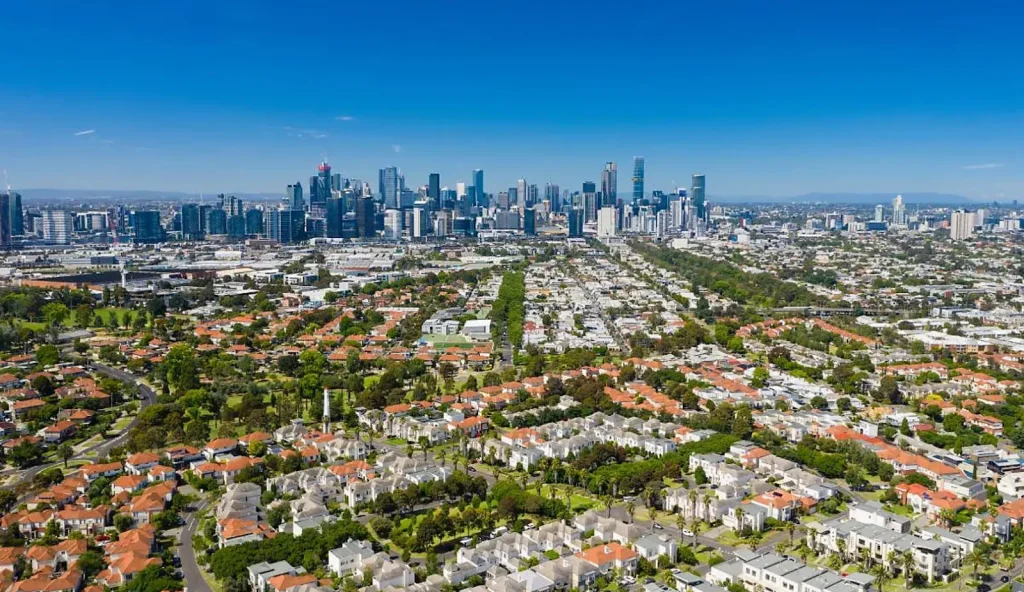
Sunshine has emerged as one of Melbourne’s most talked-about suburbs, transforming rapidly from its industrial roots into a vibrant urban centre with strong lifestyle appeal and impressive investment credentials. Located just west of the Melbourne CBD, Sunshine is benefiting from large-scale infrastructure investment, strategic planning, and renewed interest from homebuyers and investors alike. As Melbourne continues to expand, Sunshine’s blend of accessibility, affordability, and future-focused development places it firmly on the radar as a suburb to watch.
A Strategic Location with Exceptional Connectivity
Sunshine’s location is one of its most compelling advantages. Positioned approximately 12 kilometres from the Melbourne CBD, the suburb acts as a major gateway between the inner city and Melbourne’s growing western corridor. Sunshine Station is a key transport hub, offering frequent train services to the CBD and connecting regional rail lines that service Victoria’s west.
Ongoing and proposed transport upgrades have further elevated Sunshine’s importance. Plans for the Melbourne Airport Rail link, with Sunshine earmarked as a critical interchange, have significantly boosted the suburb’s long-term outlook. This level of connectivity appeals strongly to commuters, professionals, and businesses seeking easy access to the city, airport, and surrounding employment hubs.
Road infrastructure also plays a vital role in Sunshine’s appeal. Major arterial roads and nearby freeways provide efficient travel across metropolitan Melbourne, supporting both residential living and commercial growth. This seamless transport integration underpins Sunshine’s transformation into a truly connected urban centre.
From Industrial Roots to Urban Transformation
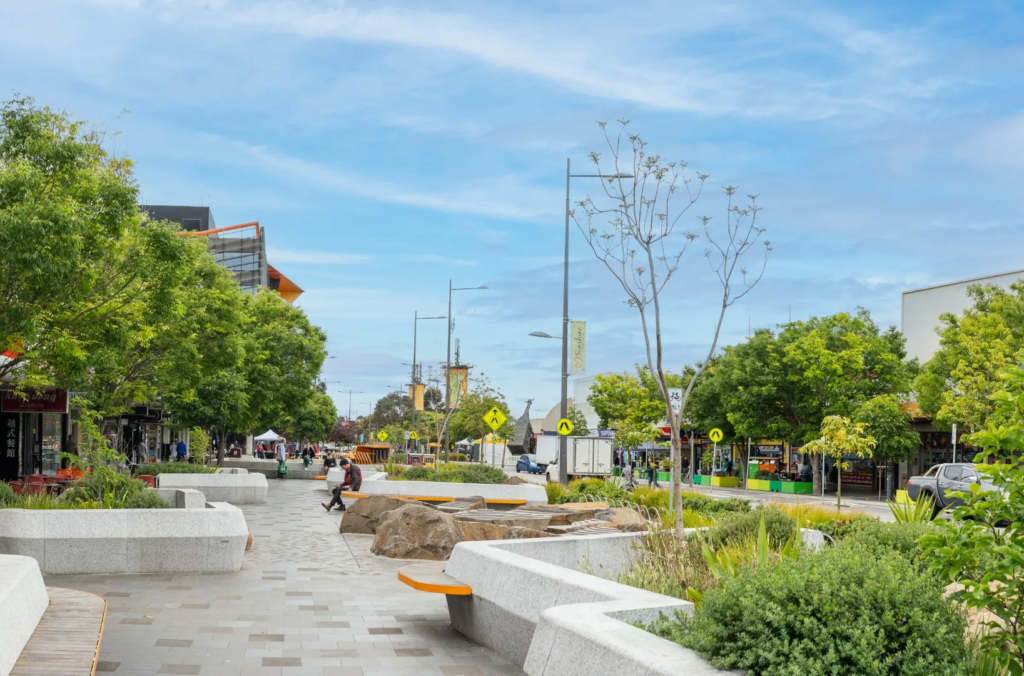
Historically, Sunshine was known as a manufacturing and industrial suburb, shaped by factories, warehouses, and rail yards. While this heritage remains part of its identity, Sunshine has undergone a remarkable shift in recent years. Former industrial sites are being repurposed into residential developments, mixed-use precincts, and community spaces that better reflect modern urban living.
The Victorian Government’s designation of Sunshine as a Priority Precinct has accelerated this transformation. Urban renewal initiatives focus on higher-density housing, improved public spaces, and better integration between residential, retail, and commercial zones. This planned approach ensures growth is sustainable while enhancing the suburb’s livability and long-term value.
As new developments rise alongside established streets, Sunshine now offers a diverse urban landscape that blends character homes with contemporary apartments and townhouses.
Housing Diversity and Property Market Appeal
Sunshine’s property market is one of its strongest drawcards. Compared to Melbourne’s inner suburbs, Sunshine remains relatively affordable, making it attractive to first-home buyers, young families, and investors seeking value with upside potential. The housing mix is broad, ranging from classic weatherboard homes and brick houses on generous blocks to modern apartments near the activity centre.
In recent years, medium- and high-density developments have increased, particularly around transport nodes and shopping precincts. These newer properties appeal to downsizers, professionals, and renters who value convenience and modern amenities. At the same time, renovation opportunities in older homes continue to attract buyers looking to add value.
Property values in Sunshine have shown steady growth, driven by demand, infrastructure spending, and urban renewal. While prices have risen, they remain competitive compared to neighbouring suburbs closer to the CBD, reinforcing Sunshine’s reputation as a suburb with strong capital growth potential.
A Hotspot for Investors
From an investment perspective, Sunshine ticks many important boxes. Strong rental demand is supported by proximity to the CBD, reliable public transport, and a growing population. Renters are drawn to the suburb’s improving amenities, employment access, and relatively affordable housing options.
Infrastructure investment plays a crucial role in Sunshine’s investment story. Major transport projects, government funding, and private development contribute to long-term confidence in the area. These factors typically drive both rental yields and capital appreciation over time.
Sunshine’s evolving reputation also matters. As perceptions shift from industrial to progressive and lifestyle-focused, buyer and tenant demand increases. For investors seeking growth in Melbourne’s west, Sunshine presents a compelling mix of affordability, demand, and future upside.
Lifestyle, Shopping, and Everyday Convenience
Sunshine’s lifestyle offering has expanded significantly, reflecting its changing demographic. Sunshine Plaza serves as the suburb’s main retail hub, providing supermarkets, major retailers, dining options, and essential services. The surrounding streets feature a growing number of cafés, eateries, and small businesses that add character and convenience to daily life.
Community facilities such as libraries, health services, and recreational centres support residents of all ages. Sunshine’s open spaces, including Kororoit Creek trails and nearby parklands, offer opportunities for outdoor activities, walking, and cycling, balancing urban living with access to nature.
This combination of convenience and lifestyle continues to attract residents who want the benefits of city access without the premium price tag of inner-city suburbs.
Education and Family Appeal
Families are increasingly considering Sunshine as a long-term home, thanks to its improving education and community infrastructure. The suburb is home to several primary and secondary schools, while nearby areas provide access to additional public and private education options. Tertiary institutions and training facilities within the western suburbs further enhance Sunshine’s appeal for students and young adults.
Family-friendly amenities, healthcare services, and sporting facilities contribute to a strong sense of community. As more families move into the area, demand for quality schools and services continues to grow, reinforcing Sunshine’s transition into a well-rounded residential suburb.
Employment and Economic Growth
Sunshine’s role as an employment centre is expanding alongside its residential growth. Its strategic position within Melbourne’s western economic corridor supports a range of industries, including healthcare, education, logistics, retail, and professional services. The Sunshine Hospital precinct and nearby industrial zones provide significant local employment opportunities.
Government investment and private sector interest are encouraging further commercial development, strengthening Sunshine’s economic base. This proximity to employment is a major advantage for residents, reducing commute times and enhancing work-life balance.
Community Diversity and Cultural Identity
One of Sunshine’s defining features is its cultural diversity. The suburb is home to residents from a wide range of backgrounds, contributing to a vibrant and inclusive community. This diversity is reflected in local businesses, cuisine, festivals, and everyday interactions, adding depth and character to the area.
As urban renewal continues, maintaining this cultural richness remains an important part of Sunshine’s identity. Community initiatives and local events help foster connection, ensuring that growth enhances rather than diminishes the suburb’s sense of belonging.
Future Outlook and Development Vision
Looking ahead, Sunshine’s future appears highly promising. Planned infrastructure projects, continued urban renewal, and population growth are expected to reshape the suburb further over the coming decades. Strategic planning aims to create a high-density, well-connected metropolitan hub that supports residential, commercial, and social needs.
As Melbourne’s west continues to grow, Sunshine is positioned to play a central role in accommodating that expansion. This long-term vision supports both lifestyle improvement for residents and sustained demand in the property market.