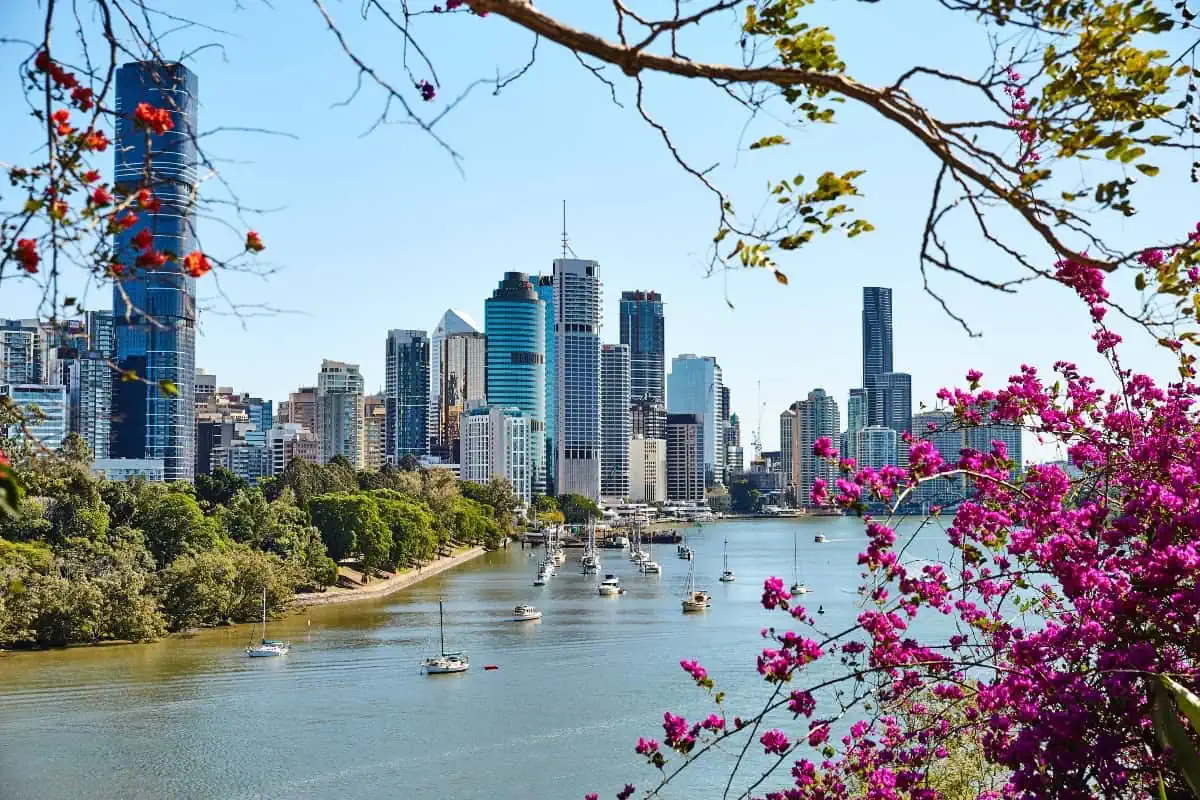
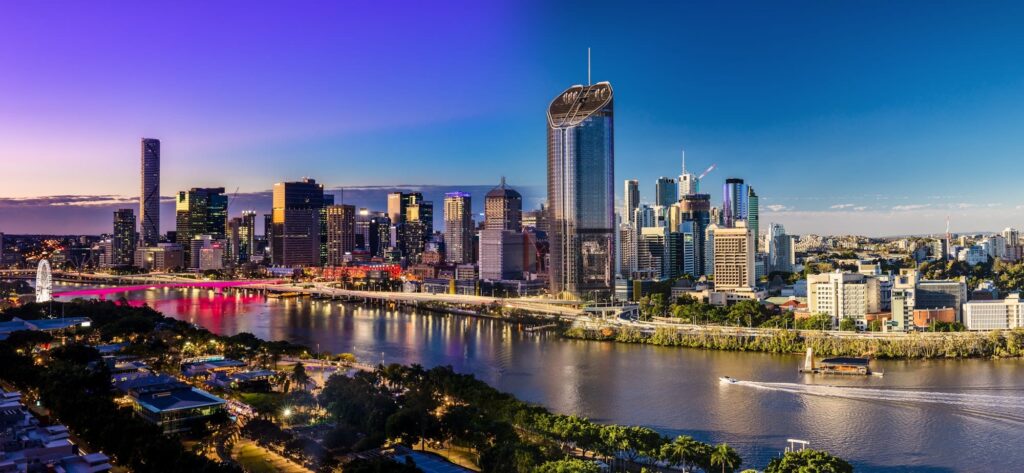
Brisbane CBD sits at the heart of Queensland’s capital, offering a lifestyle shaped by high-rise living, river views, and constant movement. As the commercial, cultural, and administrative core of Brisbane, the CBD attracts professionals, students, investors, and downsizers who value proximity, convenience, and a truly urban experience. With its mix of historic buildings, modern towers, lifestyle precincts, and transport hubs, Brisbane CBD continues to evolve as one of Australia’s most liveable inner-city areas.
Location and Urban Character
Positioned along the Brisbane River, the CBD is framed by Spring Hill to the north, Kangaroo Point across the river, and South Brisbane just beyond the Victoria Bridge. This central location makes it the focal point of Greater Brisbane, connecting seamlessly to inner and outer suburbs via rail, bus, ferry, and road networks.
The character of Brisbane CBD is defined by contrasts. Heritage-listed buildings such as the Treasury Building and City Hall sit comfortably alongside contemporary glass towers, while leafy riverwalks soften the urban skyline. Unlike some densely packed CBDs in other Australian capitals, Brisbane’s city centre feels open and breathable, enhanced by wide footpaths, public squares, and riverfront spaces.
Lifestyle and Everyday Living
Living in Brisbane CBD is about embracing a fast-paced yet balanced urban lifestyle. Residents have immediate access to offices, universities, entertainment venues, and essential services, often within walking distance of their front door. Cafés open early to serve professionals on their morning commute, while bars and restaurants come alive in the evenings, particularly around Eagle Street Pier, Howard Smith Wharves, and Queen Street Mall.
Despite its business focus, the CBD offers moments of calm through green spaces like Roma Street Parkland and the City Botanic Gardens. These areas provide welcome escapes for morning walks, lunchtime breaks, or weekend relaxation, helping balance the intensity of city living.
Shopping is a central part of life in the CBD, anchored by Queen Street Mall. This pedestrian-only precinct features major retailers, boutique stores, and dining options that cater to both locals and visitors. Daily essentials are easily accessible, with supermarkets, medical centres, gyms, and specialty stores scattered throughout the area.
Housing and Residential Options
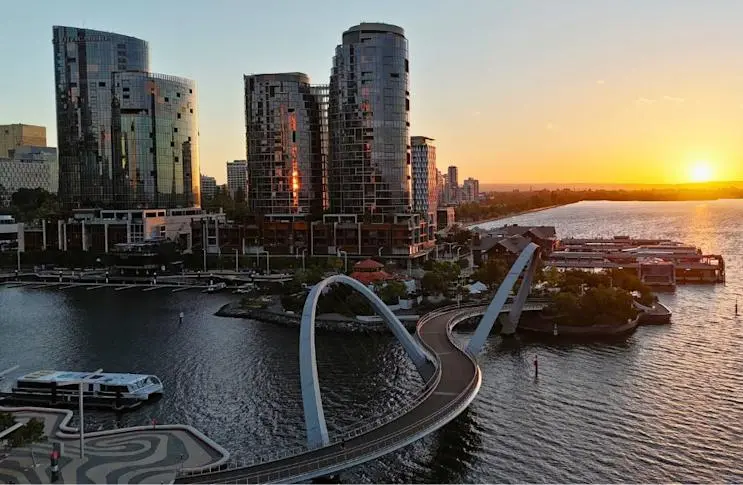
Residential living in Brisbane CBD is dominated by apartments, with a wide range of options catering to different lifestyles and budgets. High-rise towers with river or city views appeal to professionals and investors, while smaller apartment complexes offer more affordable entry points for singles and couples.
Most apartments feature modern designs with open-plan layouts, balconies, and shared amenities such as pools, gyms, and rooftop spaces. Older apartment buildings, often more generously sized, remain popular among long-term residents seeking value and practicality.
Detached houses are virtually non-existent within the CBD, reinforcing its identity as a high-density, vertical living environment. For residents, this means lower maintenance living and a focus on convenience rather than private outdoor space.
Transport and Connectivity
One of the strongest advantages of Brisbane CBD living is its exceptional transport connectivity. Central railway stations, including Central and Roma Street, provide direct access to suburban, intercity, and regional rail services. The CBD also functions as the core of Brisbane’s bus network, with frequent services extending across the metropolitan area.
CityCat and ferry services along the Brisbane River add a scenic and practical commuting option, linking the CBD with riverside suburbs such as New Farm, Bulimba, and West End. For cyclists and pedestrians, dedicated paths and bridges make active transport increasingly popular.
For residents who work in or near the city, owning a car is often unnecessary. However, parking availability and costs can be a consideration for those who rely on private vehicles, particularly in older apartment buildings with limited parking spaces.
Employment and Economic Hub
Brisbane CBD is Queensland’s primary employment centre, hosting corporate headquarters, government offices, legal firms, financial institutions, and professional services. This concentration of jobs makes the CBD an ideal location for professionals who want to minimise commute times and maximise work-life balance.
The presence of universities and educational institutions also brings a steady flow of students into the area, supporting rental demand and contributing to the CBD’s dynamic atmosphere. As Brisbane continues to grow and prepare for future infrastructure projects, including those linked to the 2032 Olympic Games, the CBD’s role as an economic powerhouse is expected to strengthen further.
Education and Learning Opportunities
While Brisbane CBD is not traditionally associated with family-oriented schooling, it offers strong options for tertiary education and specialised learning. Campuses for institutions such as QUT are located within or near the CBD, making it a popular choice for students and academic staff.
Primary and secondary schooling options are more limited within the immediate CBD, which is why families with young children often prefer nearby suburbs like Spring Hill or South Brisbane. However, the CBD’s proximity to these areas ensures education remains accessible without long travel times.
Dining, Culture, and Entertainment
Cultural life is deeply embedded in Brisbane CBD. The area hosts theatres, galleries, museums, and live performance venues that contribute to a vibrant arts scene. Events, festivals, and public celebrations frequently take place in city squares and along the river, creating a lively social calendar throughout the year.
Dining options are diverse, ranging from casual eateries and food courts to high-end restaurants overlooking the river. International cuisines are well represented, reflecting Brisbane’s multicultural population and global outlook. Nightlife is active yet more refined compared to entertainment-heavy suburbs, appealing to professionals seeking relaxed social experiences.
Investment Appeal and Market Trends
From an investment perspective, Brisbane CBD has long attracted attention due to strong rental demand and consistent population growth. Apartments in well-located buildings with quality amenities tend to perform well, particularly those close to transport hubs and lifestyle precincts.
While apartment supply can influence short-term price movements, long-term prospects remain positive due to Brisbane’s expanding economy, infrastructure investment, and growing international profile. Owner-occupiers are increasingly drawn to the CBD for its convenience and evolving liveability, adding further depth to the market.
Community and Demographics
The CBD population is diverse, made up of young professionals, international students, downsizers, and long-term city residents. This mix creates a cosmopolitan atmosphere, with a strong emphasis on convenience, lifestyle, and connectivity.
Community engagement often centres around shared spaces such as cafés, parks, and riverwalks rather than traditional neighbourhood settings. While the CBD may lack the tight-knit feel of suburban streets, it offers a sense of belonging through shared urban experiences and lifestyle choices.
Future Growth and Development
Brisbane CBD is continually evolving, shaped by new developments, public realm upgrades, and infrastructure improvements. Projects focused on enhancing walkability, green spaces, and riverfront access are helping redefine the CBD as not just a business district, but a place to live, relax, and connect.
With ongoing population growth and major events on the horizon, the CBD is expected to become even more residentially appealing. This evolution supports a broader vision of Brisbane as a world-class, liveable city with a vibrant inner core.